
The Energetics of slow food
When people come to see how our products are made, they're surprised. It's slow. It's labor-intensive. Every step is done by hand.
That's intentional. And this page explains why.

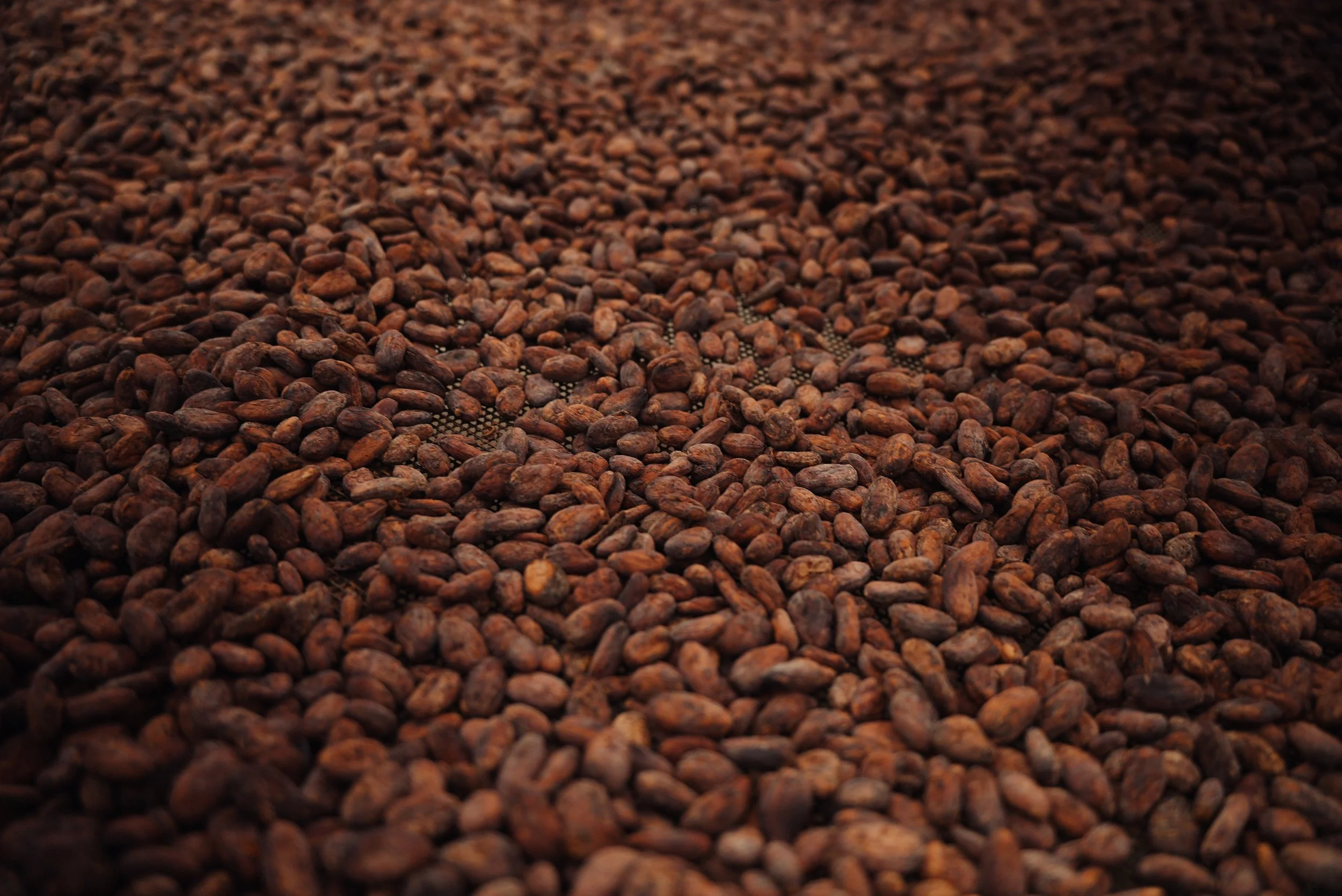
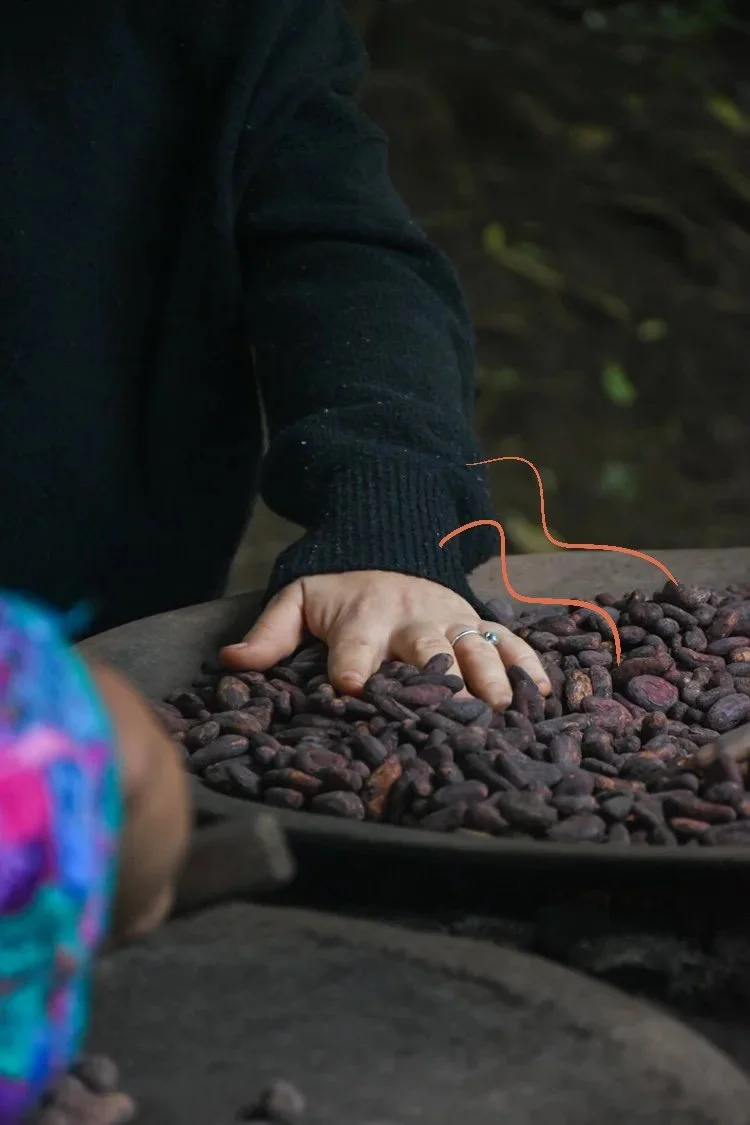
why we stay away from machines
Food made by a joyful person tastes different. A meal eaten slowly, outdoors, with people you care about, does something that the same food eaten alone at a desk doesn't. An herb picked from your garden is completely different than the same herb dried and jarred for twelve months on a shelf.
Most of us have felt this, even if we don’t have words for it. Something real is happening.
Traditional food cultures around the world — and increasingly, researchers studying microbiome, soil health, and bioactive compounds — point to the same truth: the life force of food is dictated by how it's grown, handled, and prepared. Not just its chemical composition, but its vitality.
Some call this light fiber — the subtle energetic integrity of a living food when it has been grown in healthy soil, harvested at the right moment, and processed with care.
This is what we're protecting when we choose slow processes over machines. Not just flavor or nutrients, but the integrity and deeper nourishment of the food itself.

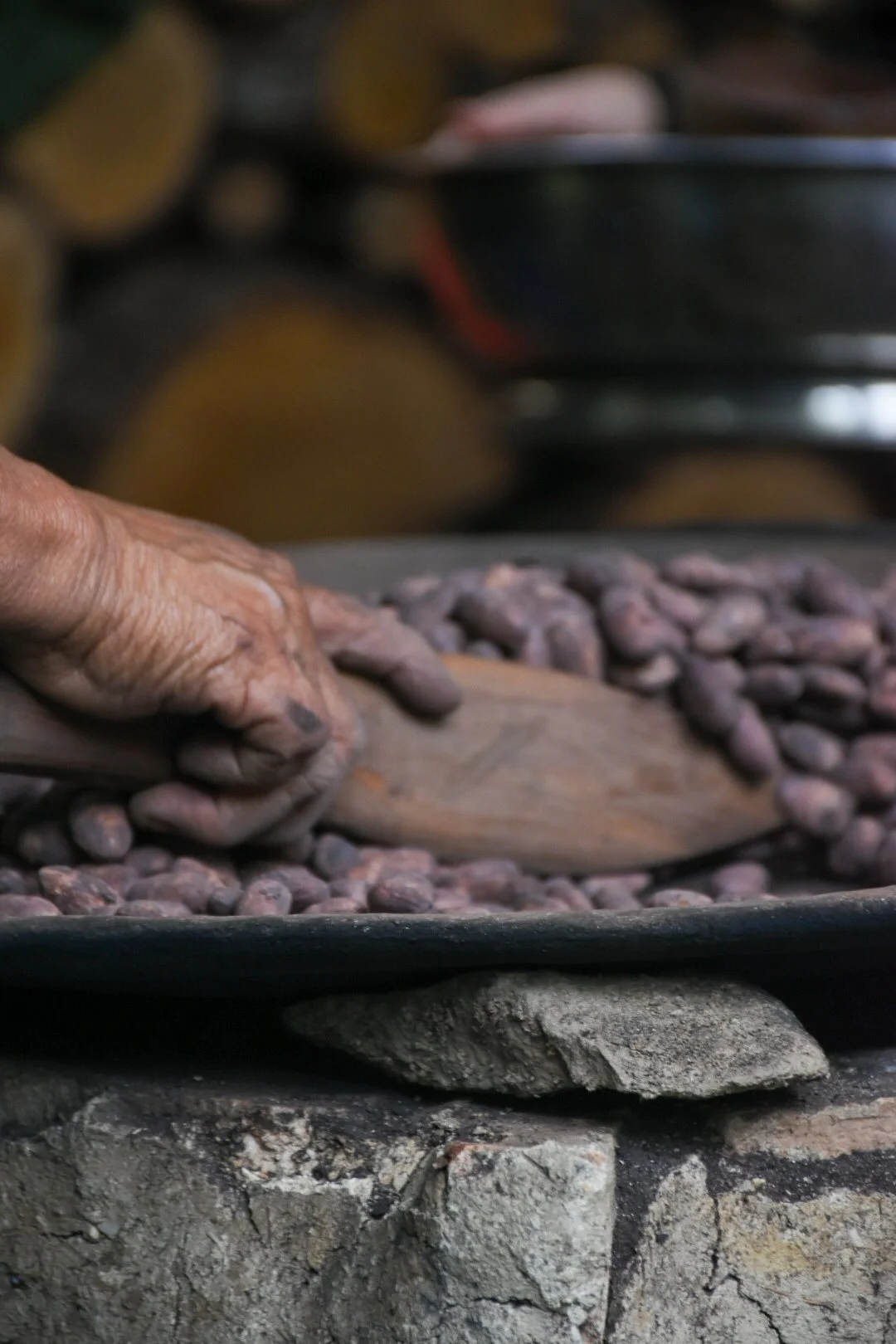

Slow and natural, the way it was intended
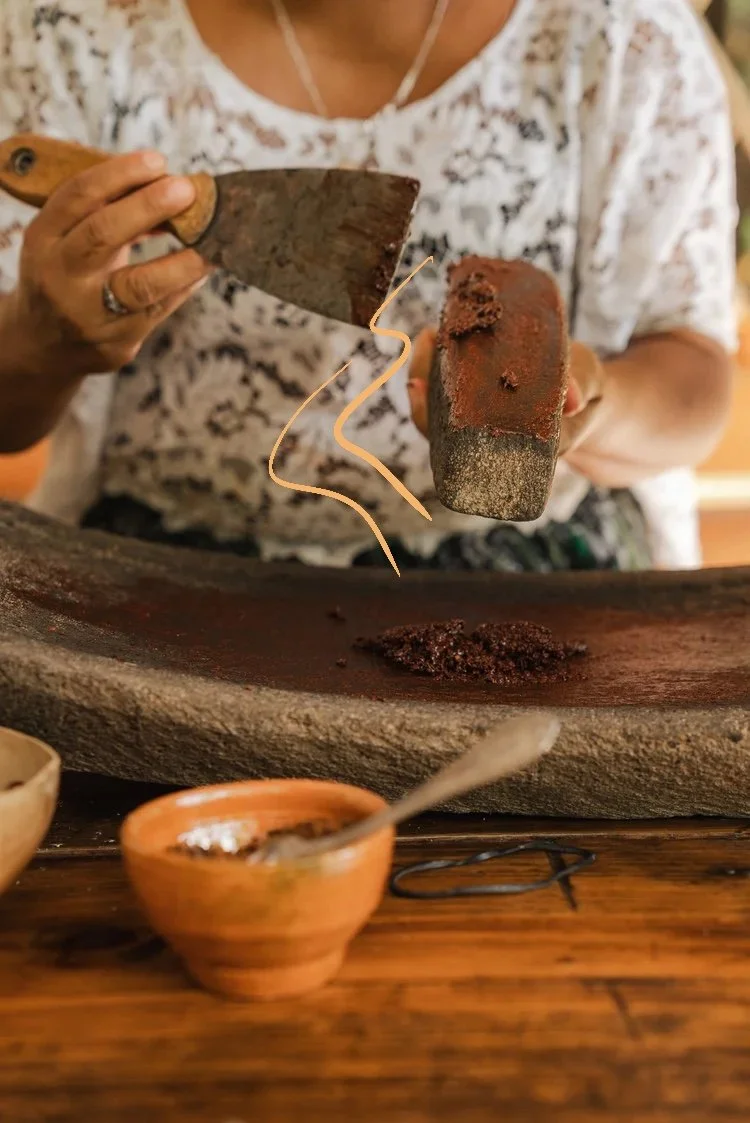
If we want to receive the physical, emotional, and spiritual benefits of food as medicine, we must treat its life force with care. And it is why we process using as many natural materials and methods as we can: fermentation, sun, air, wood, fire, and clay.
-
![]()
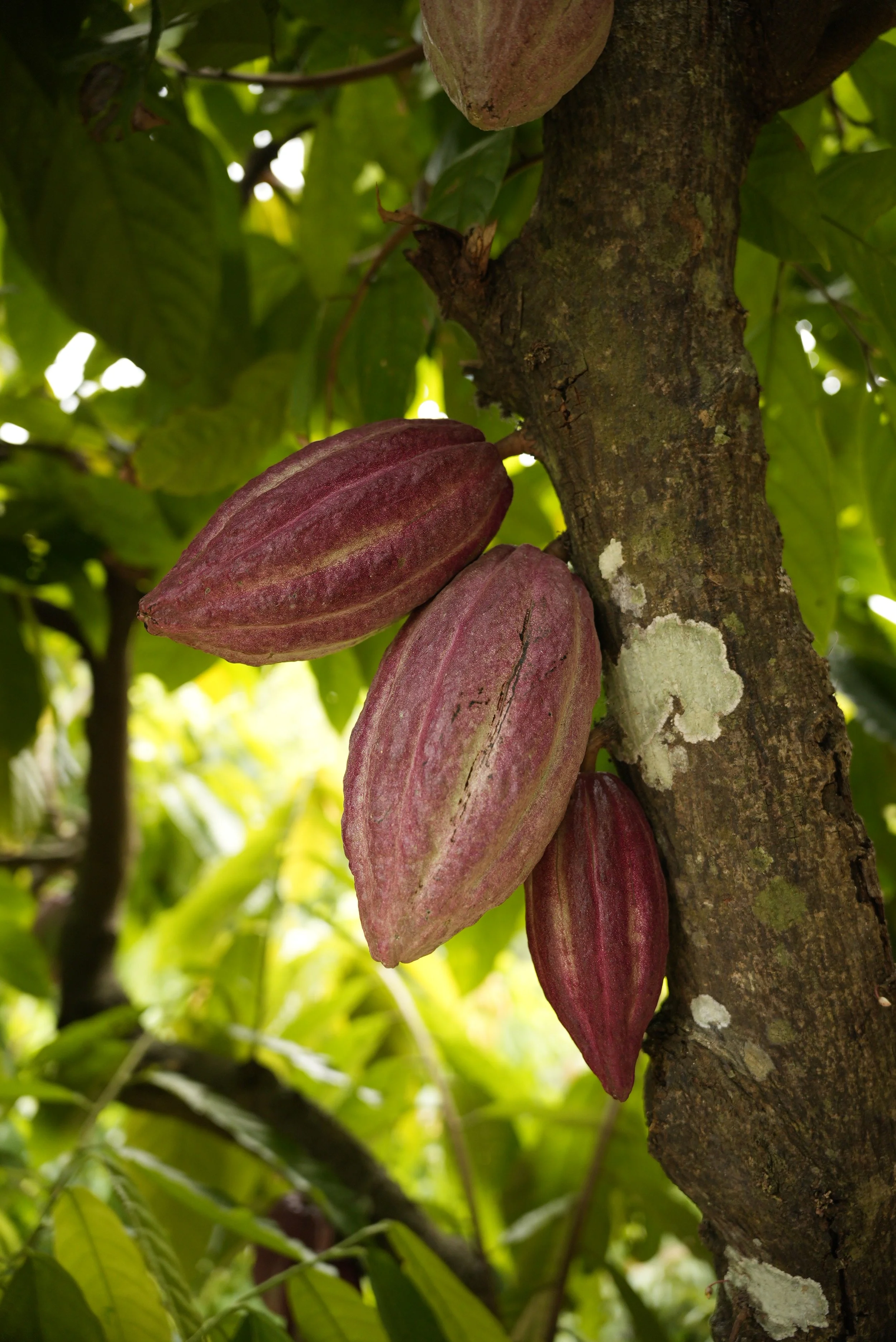
Biodiverse Food forests
Regular pruning allows the cacao trees to breathe, and carefully planted food forests support its overall health and resilience.
-
![]()
natural fermentation
This is where transformation begins. Freshly harvested seeds rest in their own pulp while wild sugars and native bacteria slowly alchemize the bean — developing flavor, softening bitterness, and unlocking its medicinal compounds. Industrial producers typically skip or rush this stage.
-
![]()
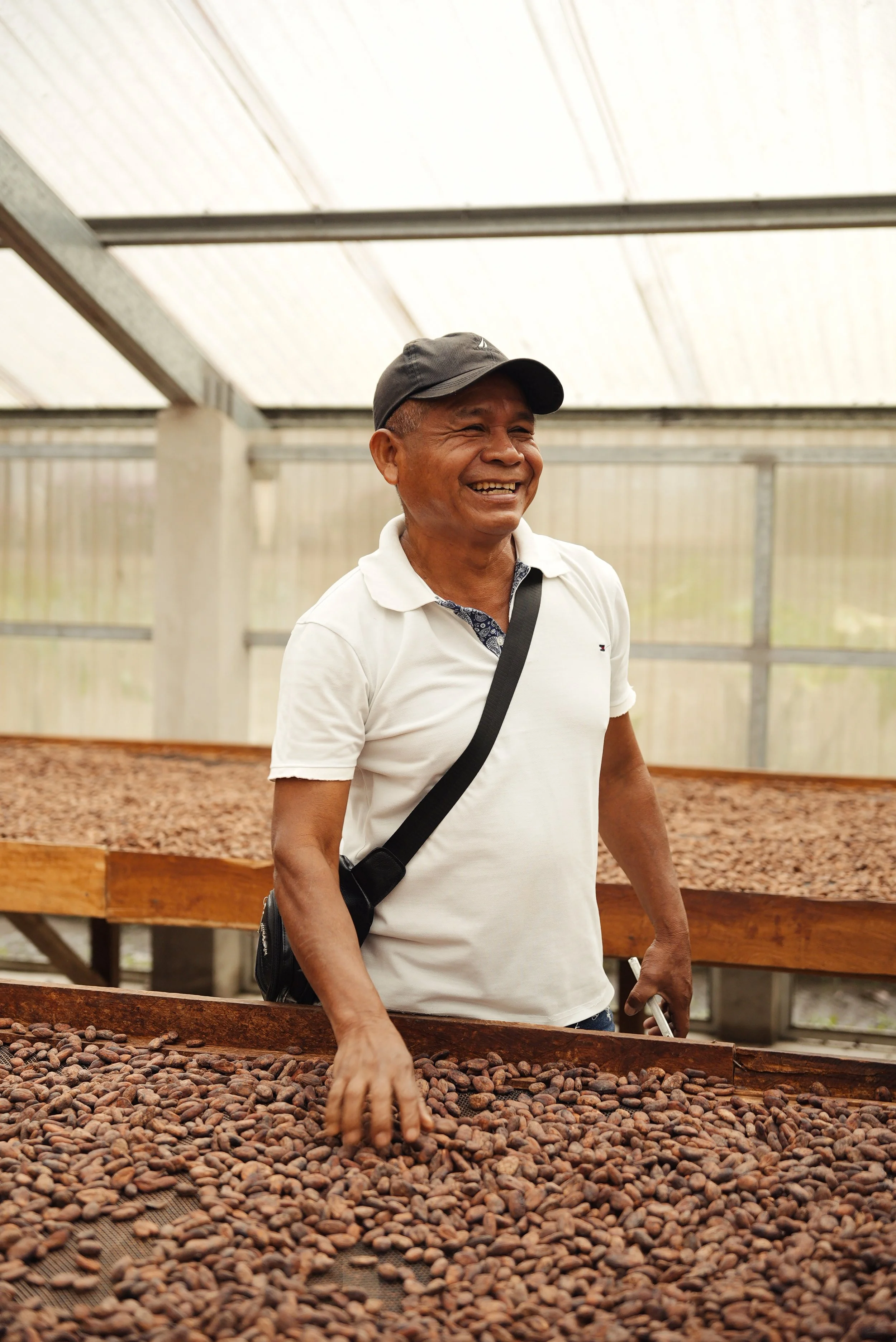
drying by sun
Sun & air-drying follows, allowing the beans to complete their transformation slowly in open air and natural light — rather than in the forced gas-powered heat of industrial dryers.
-
![]()
fire-toasting
Wood and fire are used for toasting seeds in the ways its always been done, on clay pans, moved in small batches with a wooden tool, which adds depth to the flavor that cannot be matched by industrial gas-powered ovens.
-
![]()
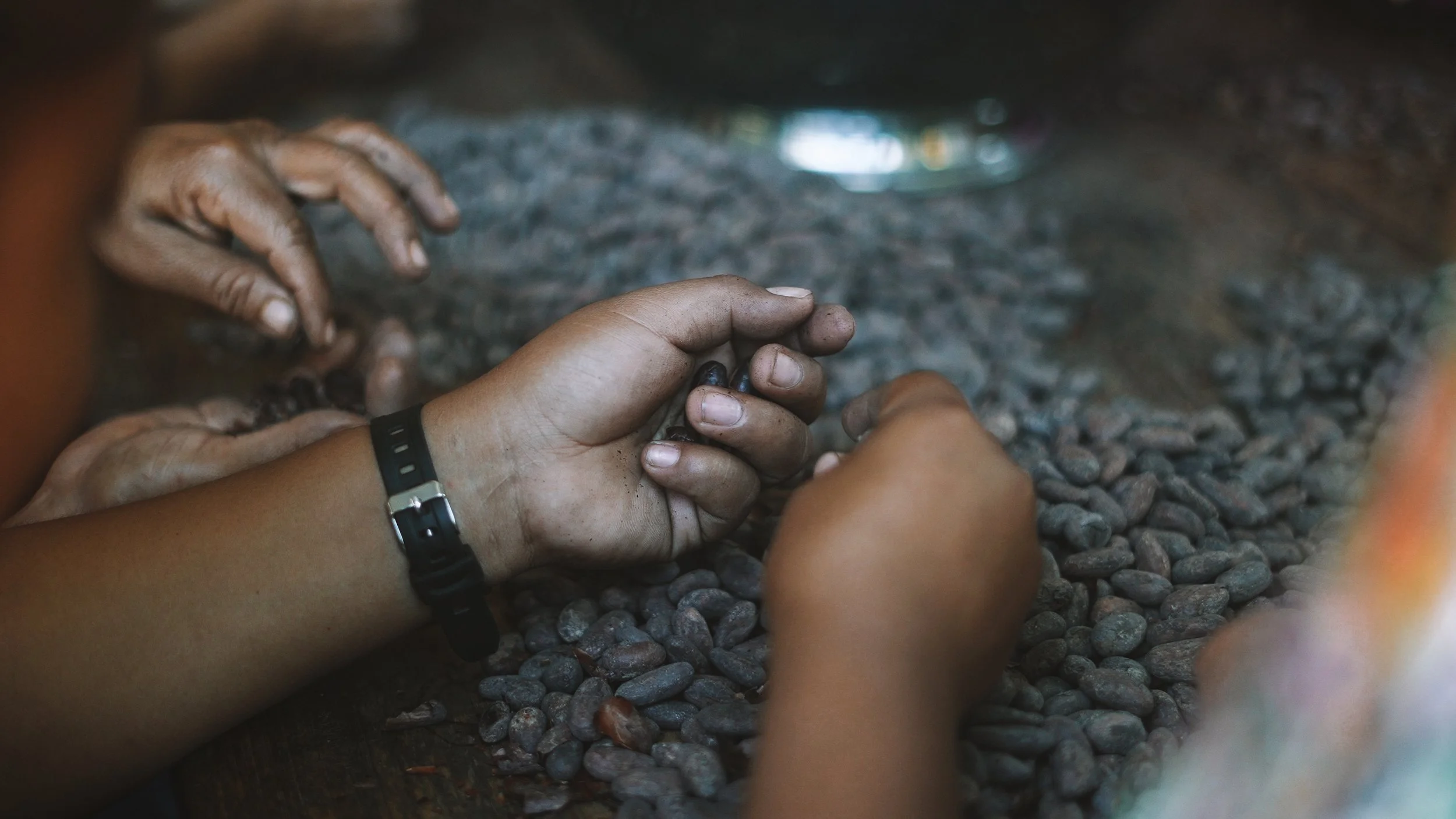
hand peeling
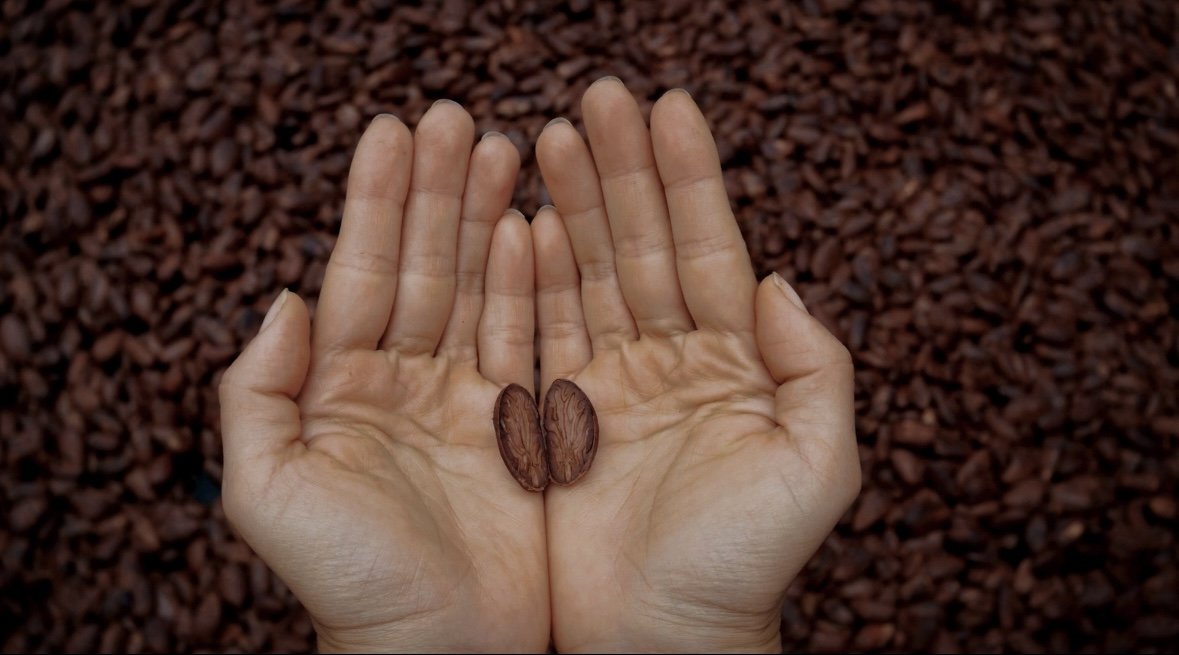
Cacao is massaged and peeled by a circle of Q’eqchi women who treat each seed with care, ensuring they don’t break or crumble.
-
![]()
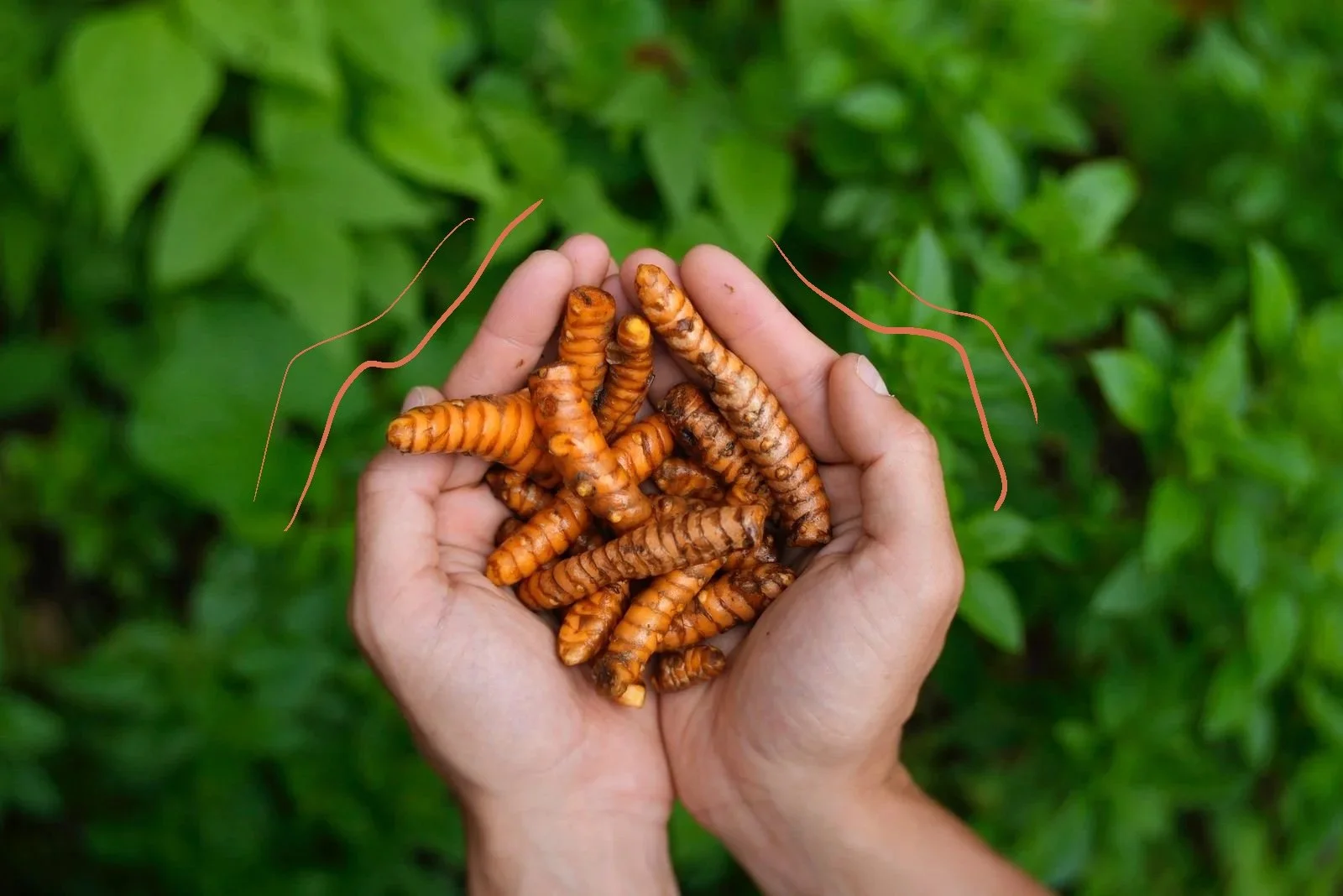
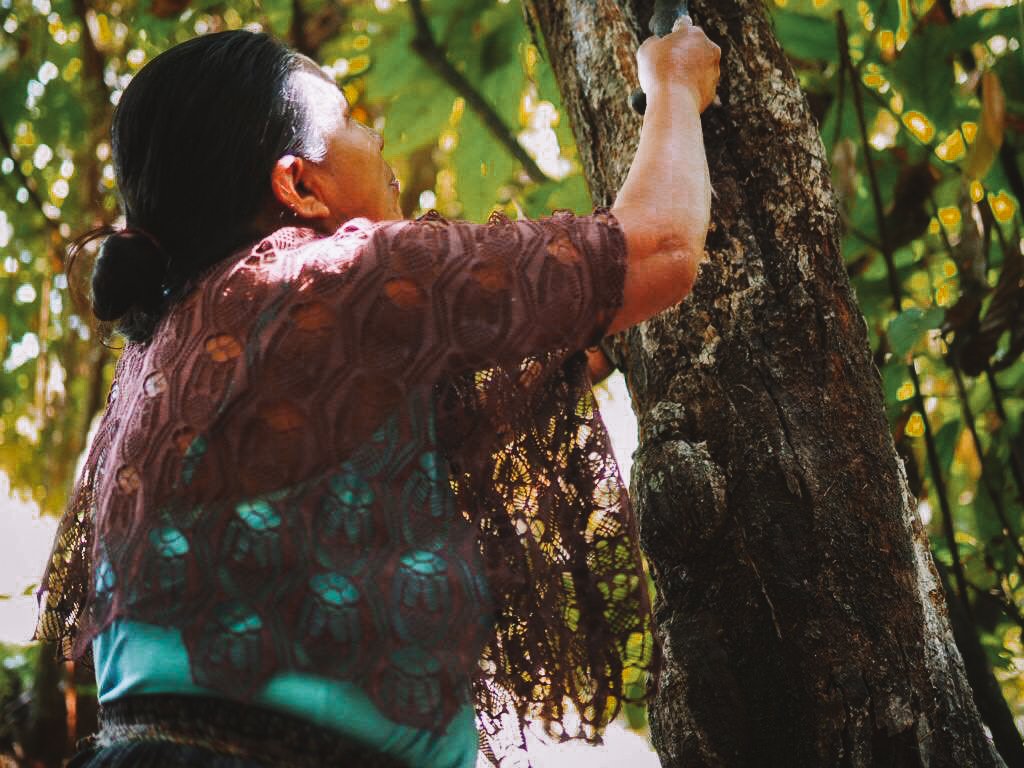
Harvested by hand
Each spice is harvested by hand on family lands that have never been sprayed with chemicals. These growers are intimately connected to plant lifecycles and know the ideal times to harvest.
-
![]()
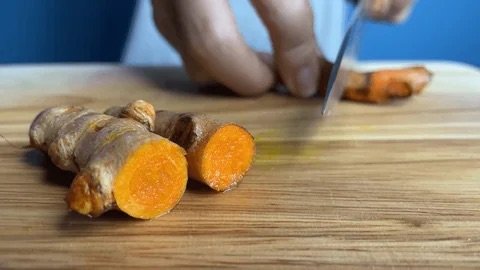
Hand-Chopped
When spices need further processing, like our ginger or turmeric, we hand chop each one before drying them.
-
![]()
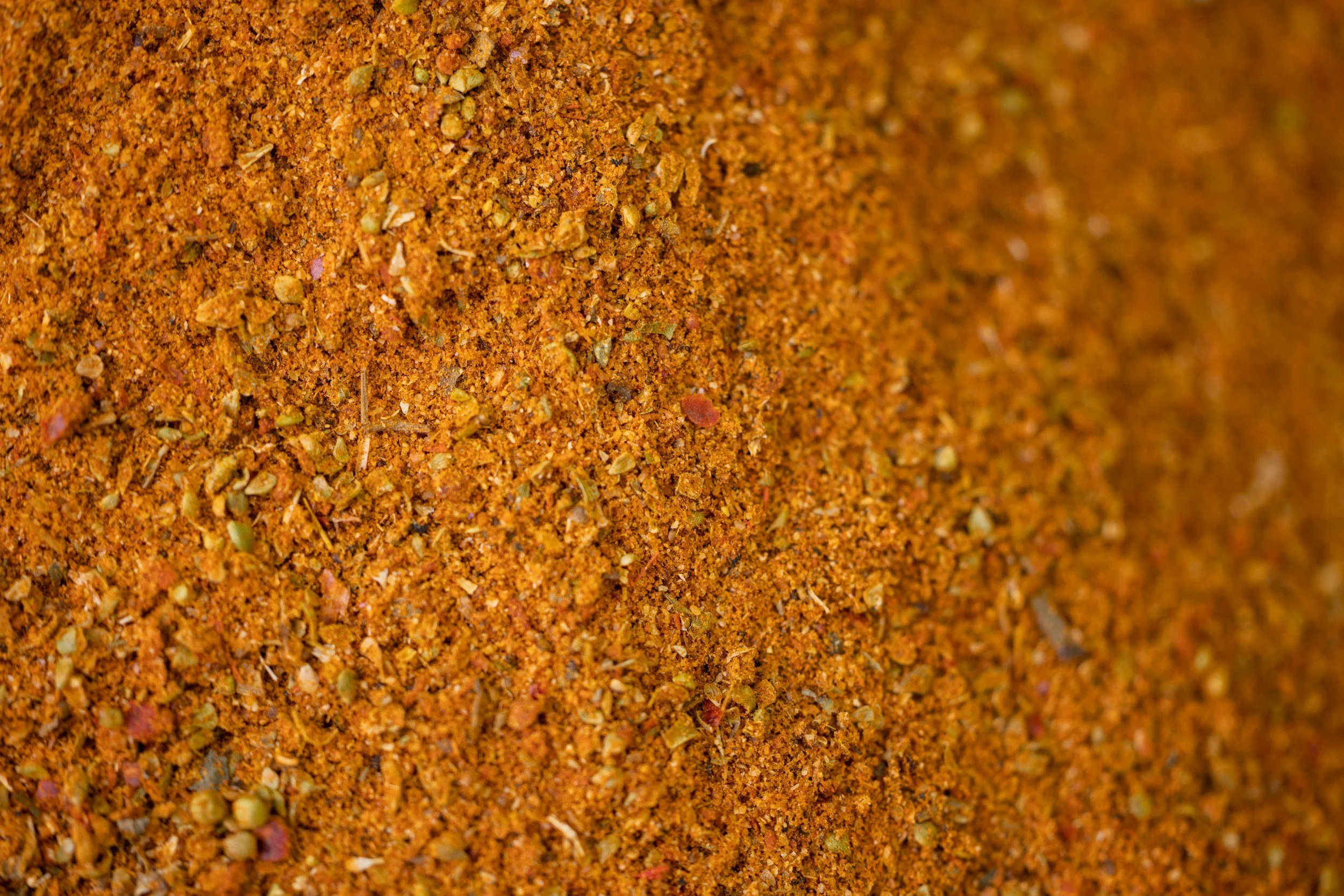
Sun-Dried
Our spices are dried in the sun, never in industrial toasters or ovens. They absorb the sun’s energy and dry according to a natural rhythm.

the importance of slow food & traditional methods
Somewhere along the way, we decided that food should be consistent — same flavor, same texture, same color, every time, everywhere. But homogeneity is not a natural property of food. While it’s an industrial achievement, it has come at a steep cost: it has disconnected us from our fundamental connection with the natural world, which is dynamic, ever-changing, and complex.
Traditional, slow food processing methods help us come back into relationship with what is true and real about living food. When we treat foods with respect for their natural rhythms and maintain their connection with the elements, we receive the full potential of what the Earth has to offer.
-
Slow-processed food carries the in-tact intelligence of where it came from — from the soil to the season, to the hands that touched it. That complexity and realness of flavor can't be manufactured.
-
Sunlight, natural fermentation, and hand processing preserve the bioactive compounds, enzymes, and nutrients that industrial machinery destroys. The slower the process, the more potent the medicine.
-
Plants are not passive. They respond to the attention, the care, the intention of the people growing and preparing them. When a Q'eqchi woman tends cacao seeds by hand, that relationship enters the food. This isn't mysticism — it's something original peoples have known for as long as they have grown things.
-
When you choose slow food, you integrate into and help proliferate a food system that values the grower, the land, and the integrity of the food over speed and scale. Every purchase is a small vote for how food should work.
When you buy from us, you are participating in a living relationship
With the plant, with the farmers, with a way of being in the world that values life at every step.
The result is a higher-quality product and a supply chain you can feel good about.