

go to the source2027 cacao immersion
Learn how to care for cacao, from seed to block.
Feb 28-March 7, 2027



The journey𖠁 an introduction to the q’eqchi world
We want participants to get to know the people and the lands behind the cacao they drink, and to know how much hard work, devotion, and wisdom is required to produce cacao with integrity.
In this immersion, students will learn directly from our Q’eqchi team members who devote their lives to caring for cacao.


You will be immersed into an original Maya community, with kind, humble people who have very different worldviews, lifestyles, and wisdom than the average Western person.
This is an incredible opportunity for intercultural collaboration and sensemaking, and for people to have a glimpse into the beautiful and complex lives of the people who tend to Guatemala’s mountainsides and make the medicine of cacao that we know and love.


𖠁 learn directly from cacao guardians
This offering brings together two worlds: people interested in connecting with more deeply with the origins of cacao and the Q’eqchi community who has stewarded it for generations.
In this immersion, you don’t just learn about cacao — you walk the land where it grows, meet the people who tend it, and get involved the entire transformation of cacao, from the tree to finished block.
This is an immersive apprenticeship is designed help you gain an understanding of cacao through lived experience. You will leave with a deepened respect for cacao and the people who work diligently to take care of this medicine.
From that place, you can share authentically with the world why it’s important to tend to cacao (and all food) with attention and care.


In this immersion, you’ll receive:
Three-hour cacao tour & visit of family parcel

Daily learning and co-working with local team in fermentation, drying, toasting, peeling, production, and regenerative agriculture

Shared or private accommodations in one of our eco-cabins

A community of likeminded individuals who love cacao

Full immersion into wild nature, swimming in rivers, hiking in the mountains

Three healthy meals per day with daily cacao with breakfast



Why now?
Cacao is growing in popularity around the world and is at risk to become “just another product” if people aren’t educated properly on the difference between commodified confectionary chocolate and regenerative cacao. The best education is to go to the source and learn by doing.
For this reason, we open our doors to reveal the labor-of-love process of cacao, inviting people directly to the lands where it grows, so people can build authentic relationships and share cacao with integrity.
The more people who know about the hard work behind a block of cacao, the more we can maintain its value, preserve good payment for people involved in the process, safeguard biodiversity, and prevent exploitation of another ancestral food from the Earth.
We hope those who are called to develop this intimate relationship with cacao join us to learn, experience, and advocate for the continuation of the ethical production and sharing of this important medicine.
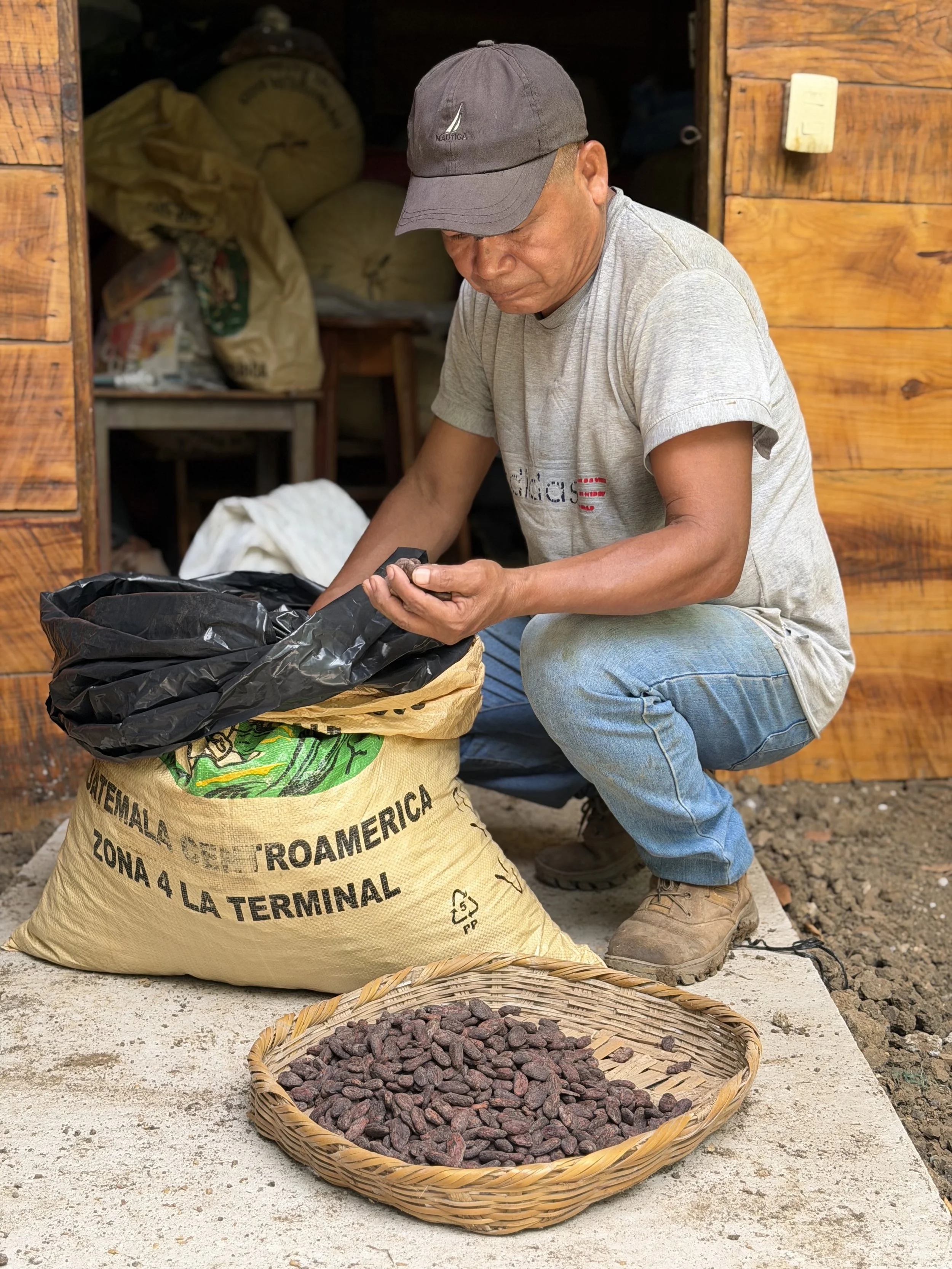
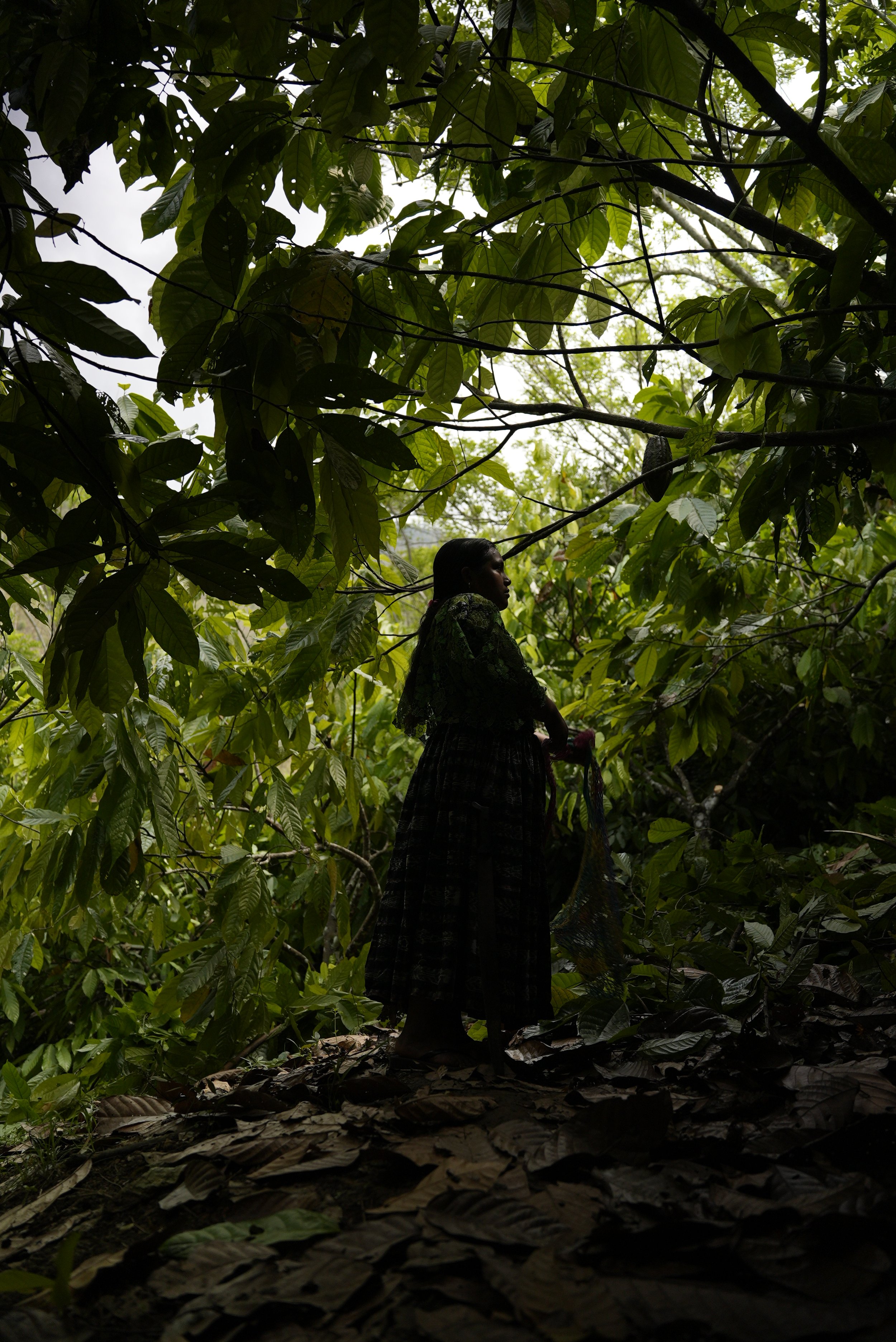


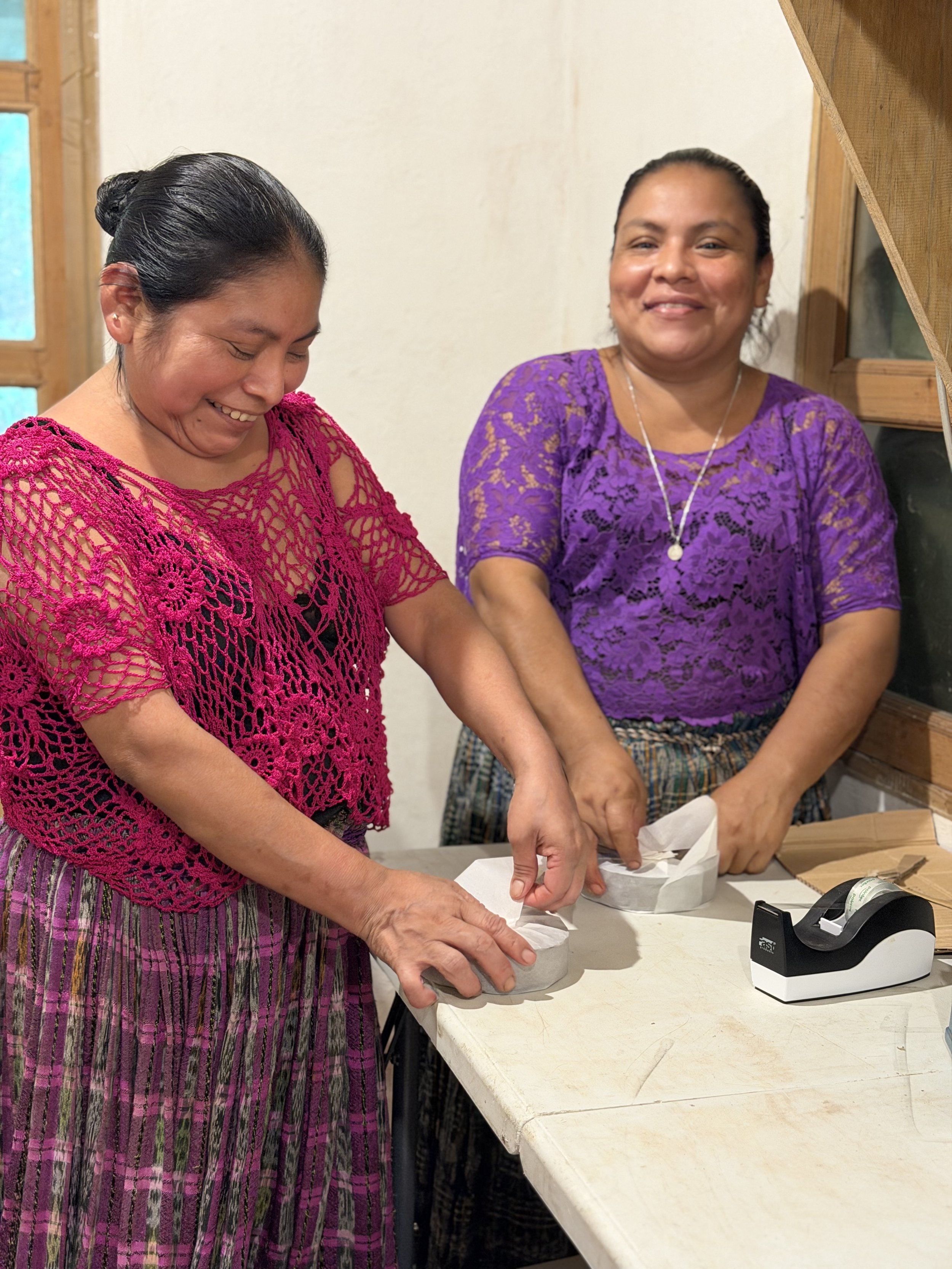

What you’ll experience
Visiting family parcels & learning directly from farmers
Hands-on experience in fermentation, drying, toasting, and peeling cacao
Working alongside the women in production
Assisting in cacao purchasing days with farmers
Tending to cacao agroforestry systems and helping in the plant nursery
Collecting and processing fresh cacao juice
Participating in shared meals
Connecting with a like-minded community
Traditional Mayan fire ceremony
Time to rest, reflect, and integrate
Learning a bit of Q’eqchi!
Drinking a lot of cacao, at the source

schedule
february 28-march 7, 2027
Feb 28
3-6pm - Arrival at AWANIMA Lanquin
Dinner, introductions, early bedtime
march 1
8:00am - Breakfast & Cacao
9:00am - Cacao Tour & Chocolate-Making Workshop
12:00pm - Lunch at family farmers’ home
1:00pm - Walk the cacao forest with family farmers
3:00pm - Free Time
6:00pm - Dinner
march 2-5
8:00am - Breakfast & cacao
9:00am - 12:00pm - Learning & Working sessions
12:00am - 1:00pm - Lunch
1:00pm - 3:00pm - Learning & Working Sessions
3:00pm - 6:00pm - Free time
6:00pm - Dinner
march 6
Group trip to Semuc Champey
March 7
Departure from Lanquín
pricing & rooms
Private Room:
$800 (if booked before Dec. 1)
$950 (if booked after Dec. 1)
Shared Room:
$550 (if booked before Dec. 1)
$700 (if booked after Dec. 1)
Cost is all inclusive of 7 nights accommodations, daily cacao, meals, tours, teachings, cacao tour, family farm visit, transportation to/from Semuc Champey
Not included: Semuc Champey entrance ticket (Q50) and transport to/from Lanquin
registration
The immersion is limited to 12 participants. If you’d like to reserve your spot, email hey@awanima.com with an introduction message of who you are and why you’d like to join us.
You can save your spot by paying in full. Payments are refundable until December 1, 2026 minus a $50 admin fee.
FAQs
The easiest way to arrive to Lanquin is via shuttle bus service, from Guatemala City, Antigua, or Lake Atitlan. Shuttles typically leave at 8:00am and arrive to Lanquin in the afternoon. The cost is around Q200 ($27 USD).
When you arrive at the bus terminal in Lanquin, you can flag a tuk tuk on the road to head to AWANIMA - it’s 5 minutes and should cost Q5-10 ($1-2 USD). Once you book your spot, we can help you to coordinate your transportation.
If you are flying to Guatemala for the immersion, book a flight into the Aurora Airport in Guatemala City (GUA).
how do i get to lanquin?
1
During this time of year, expect days to be hot and sunny with a chance of showers throughout the day. It can be cool at night. Expect to become one with the elements — we do not have AC.
what will the weather be?
2
Comfortable clothes you don’t mind working in / getting dirty. T-shirts, tank tops, shorts, long pants. A sweater or jacket for cool nights. Rainjacket or poncho. Biodegradable/eco bathroom products. Pajamas. Ideal shoes are boots or strappy shoes like Teva’s, Chaco’s or Bedrocks. Headlamp, natural bug spray, sunscreen. Swimsuit.
If you’d like to bring gifts for local kids, you are welcome to do that — they could use shoes, school supplies, art supplies, and toys. Anything is welcome (except please do not bring candy).
what should i pack?
3
do i need to speak spanish?
4
It’s useful to speak and understand Spanish because our local team will be speaking in Spanish (apart from Q’eqchi), but we will also have English translation available.
are there bugs?
5
Of course! We will be enjoying the great outdoors in a region that is not sprayed with chemical pesticides, so we cohabitate with all kinds of insects. Mosquitos come out around sunset, so bring long pants, shirts, and natural bug spray if you are sensitive. You can also expect to see other fun critters like spiders and scorpions. But don’t worry, there are no life-threatening insects here.
is it safe?
6
Yes, we are in a quiet, rural area of Guatemala in a relaxed Mayan village that is not known for criminal activity. The community is very friendly and respectful. That said, we have security cameras, a gate with a lock, and night-guards onsite for additional safety.
do i need to have experience working with cacao?
7
This is a friendly learning environment where all types of experience is welcome. It’s ideal if you have some familiarity consuming cacao, but it’s also okay if it’s your first time.
what kind of food will be served?
8
We will cook local, fresh, vegetarian meals for the group, using as many ingredients from the property as possible. Allergies and dietary restrictions can be accommodated with advanced notice.
what kind of physical work is involved?
9
We recommend participants are in good physical shape and can move around and use their bodies comfortably. We are on a mountainside so you will be walking on inclines, navigating unpaved paths and natural terrain. For cacao trainings, you’ll need physical strength to stir cacao in fermentation boxes, move the cacao in the drying house, and likely will be standing, squatting, and lifting things throughout the day. All activities are optional, but having a foundation of physical health is important for this experience.